

Root Canal Treatment in Davidson, NC
When a tooth becomes infected or badly decayed, root canal treatment in Davidson, NC can save it instead of pulling it. We welcome new patients, and if cost feels like a barrier, we offer flexible financing. You can learn more on our Insurance & Financing page. Root canal treatment removes infected tissue from inside the tooth, then seals it to stop pain and protect your health. With CBCT imaging and laser dentistry, Dr. Coleman and Dr. Dastrup can see exactly what’s happening inside your tooth and treat it with precision and a gentle touch. Their advanced training means anxious patients get calm, judgment-free care instead of a rushed trip to the extraction chair.
Understanding Root Canal Treatment
Inside every tooth is a soft tissue called pulp, filled with nerves and blood vessels. When a deep cavity, crack, or old filling lets bacteria reach the pulp, it can become infected and painful. Root canal treatment clears out that infected pulp, cleans the inside of the tooth, and fills the space with a biocompatible material. Most teeth then need a crown to restore strength and protect against future breakage. This falls under our broader Restorative Dentistry services, which focus on catching problems early and treating them with as little disruption to your smile as possible.
Benefits of Saving Your Natural Tooth
Your natural teeth are built to last, and saving one usually beats replacing it. Benefits include:
Keeping your natural bite and chewing ability
Avoiding the extra time and cost of a bridge or implant later
Preventing nearby teeth from shifting out of place
Protecting your jawbone, which stays stimulated by a natural tooth root
Finishing treatment in as little as one or two comfortable visits
Saving the tooth is almost always the first goal, and extraction is reserved for teeth that are too damaged to repair.
What to Expect During Your Root Canal
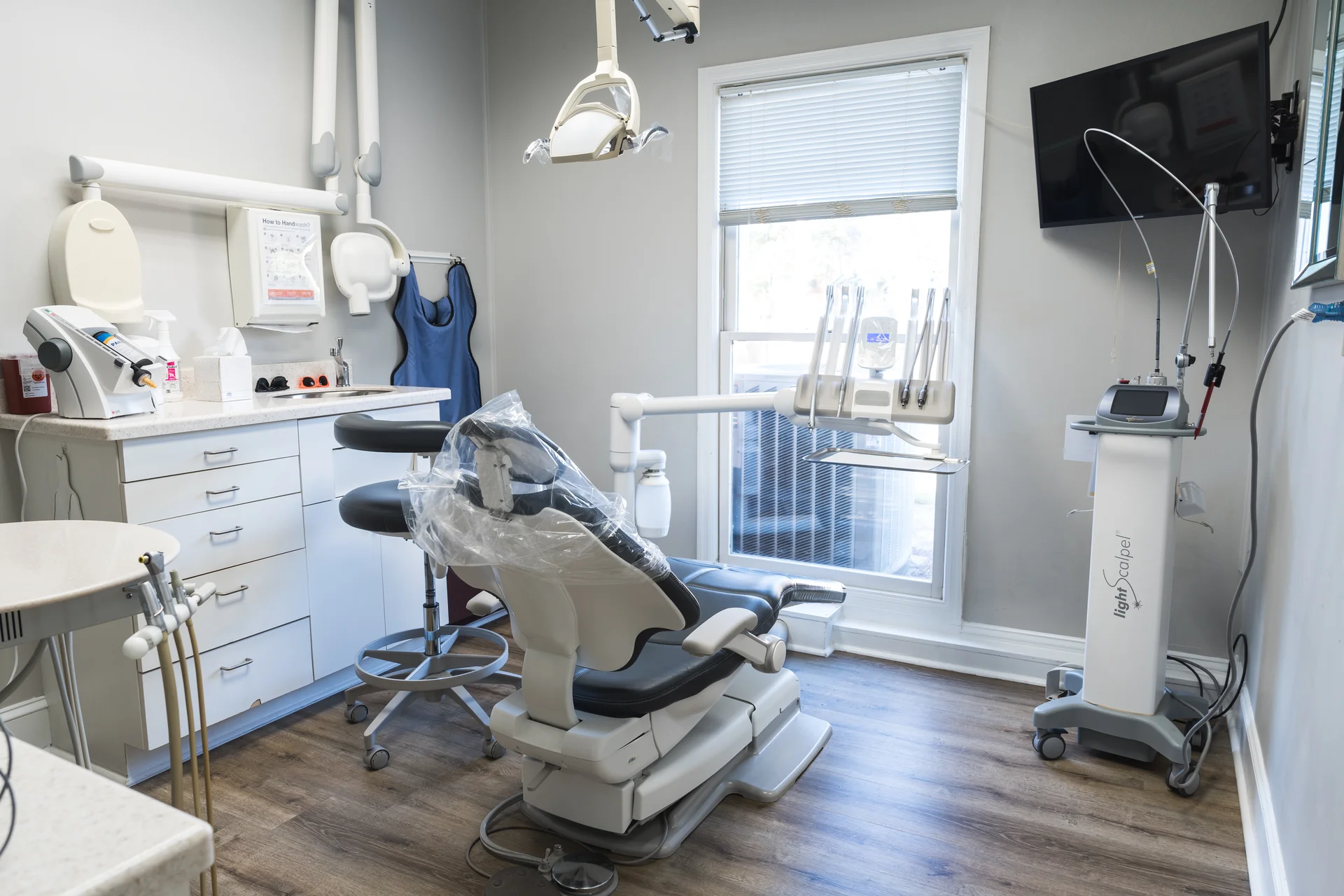
Before we start, we use CBCT 3D imaging to map the tooth’s root canals and confirm how far the infection has spread. This helps Dr. Coleman or Dr. Dastrup plan treatment with precision, so there’s less guesswork and fewer surprises. We numb the area completely before beginning, and many patients say the procedure feels similar to getting a filling. Laser dentistry helps us clean and disinfect the canal gently, which can support faster healing. If dental visits make you anxious, we also offer sedation dentistry to help you stay relaxed from start to finish. Most people return to normal activities the next day, with mild soreness that fades within a few days.
Root Canal Treatment vs. Tooth Extraction: Comparing Your Options
Both root canal treatment and tooth extraction can resolve an infected tooth, but they lead to very different outcomes. Here’s how they compare:
| Factor | Root Canal Treatment | Tooth Extraction |
|---|---|---|
| Tooth preservation | Saves your natural tooth | Removes the tooth completely |
| Procedure/recovery time | One to two visits; mild soreness for a few days | Quick procedure; longer healing of the empty socket |
| Long-term cost | Often lower over time with a crown | May cost more later if a bridge or implant is needed |
| Need for replacement | Usually none | Often requires a bridge, implant, or denture |
| Bite/jawbone impact | Maintains normal bite and jawbone stimulation | Can lead to shifting teeth and bone loss over time |
For most patients, root canal treatment preserves more of your natural smile and function. If a tooth is too damaged to save, our Oral Surgery team can guide you through extraction and replacement options.
Frequently Asked Questions
What are the signs I might need a root canal?
Common signs include a lingering toothache, sensitivity to hot or cold that doesn’t go away, swelling or tenderness in the gums, or a dark spot on the tooth. Sometimes an infected tooth doesn’t hurt at all, which is why regular checkups matter. If you notice swollen gums near a tooth, it could also point to gum disease rather than the tooth itself, so an exam helps us pinpoint the cause.
What happens if an infected tooth is left untreated?
An untreated infection can spread to surrounding bone and tissue, causing more pain and, in some cases, a serious abscess. It can also put nearby teeth and your overall health at risk. Treating it early with a root canal is usually simpler and more comfortable than waiting.
Is root canal treatment painful?
Modern root canal treatment is designed to relieve pain, not cause it. We numb the area fully before starting, and many patients say it feels about the same as having a filling placed. Any soreness afterward is usually mild and manageable with over-the-counter pain relief.
How long does recovery take?
Most patients feel back to normal within a day or two. You may notice mild tenderness while chewing, which typically fades within a few days. We’ll let you know if a crown or follow-up visit is needed to finish protecting the tooth.
Next step
Save Your Tooth, Keep Your Smile Complete
Waiting on a painful tooth rarely makes things easier. Our team is ready to talk through your options, answer your questions, and help you feel at ease before you ever sit in the chair.