



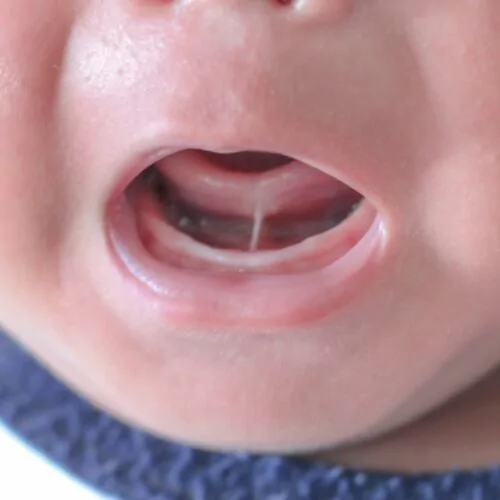
What Is Tongue-Tie?
Tongue-tie, or ankyloglossia, is a condition where the band of tissue (lingual frenulum) under the tongue is too short or tight, restricting tongue movement. This relatively common condition is best treated early to support essential behaviors like swallowing, feeding, and proper breathing patterns during critical stages of development. Often, tongue-tie is first noticed in infants struggling with breastfeeding, as limited tongue mobility can interfere with latching and feeding effectively. When left untreated, a tongue-tie can impact speech development, oral health, and even airway function later in life. A tongue-tie release procedure can be performed by a skilled oral physician to improve tongue movement and alleviate related issues.
At Dentistry Elevated in Davidson, North Carolina, near Mooresville and Cornelius, Dr. Coleman and Dr. Dastrup specialize in diagnosing and treating tongue and lip ties. They are dedicated to providing expert, compassionate care for patients of all ages, ensuring each individual receives the best treatment possible.
Functional Frenuloplasty
In cases where a tongue-tie is particularly restrictive, Dr. Coleman and Dr. Dastrup may recommend a tongue-tie release, also known as a frenotomy or functional frenuloplasty. This quick, minimally invasive procedure involves making a small incision or snipping the lingual frenulum to release the tongue’s movement. Performed conveniently in-office, this procedure generally involves minimal discomfort, and patients can often expect a fast recovery. Treating tongue-tie early on can prevent further complications and support healthier oral and airway function over time.

Tongue Tie and Lip Tie FAQs
What causes tongue ties?
A tongue-tie occurs when the membrane that anchors the tongue to the floor of the mouth (lingual frenulum) is tight or short.
What causes a lip tie?
A lip-tie occurs when the connective tissue behind the upper lip (maxillary labial frenum) is too short and tight. There are different classifications of lip ties based on various anatomies, and severity is determined by the degree of restriction.
How can I tell if I have a lip tie?
You can see a lip tie by looking beneath the upper lip. There is a band of tissue in the center that connects the upper lip and gums. If this seems tight or if the lip is challenging to lift, there may be a lip tie. In an infant, you may notice your child having difficulty moving their upper lip. If you experience pain breastfeeding, it may be because your infant has a lip tie preventing them from latching correctly.
What happens if you don’t fix a tongue or lip tie?
Lip and tongue ties can cause oral health problems if left untreated. These anatomical differences can make breastfeeding difficult for infants. Tongue ties in older children and adults can make it difficult to maintain clean teeth, increasing the risk of gum disease and tooth decay.
Contact Dentistry Elevated for Tongue Tie Release in Davidson, NC
At Dentistry Elevated, we diagnose and determine treatments on a case-by-case basis, providing individualized care in a comforting atmosphere. If you believe you or someone you love has a lip or tongue tie, please schedule an appointment with us today.
